Direct sales contact

Resources

PET vs PP Food Containers

Compare PET and PP food containers by food, filling temperature, lid fit and transport needs. Review actual models and ask HongPack for samples or a quote.

Request a Quote
PET vs PP Food Containers
01

Start with the food and how it is served

For chilled display, clear PET is a common starting point. PP is often considered when hot filling or reheating is required. These are selection directions, not approval for a particular container. Tell us the food, filling temperature, storage conditions, contact time and whether the customer will reheat the meal. HongPack can then review the appropriate model and material route.

02

PET: review clarity and cold-display fit

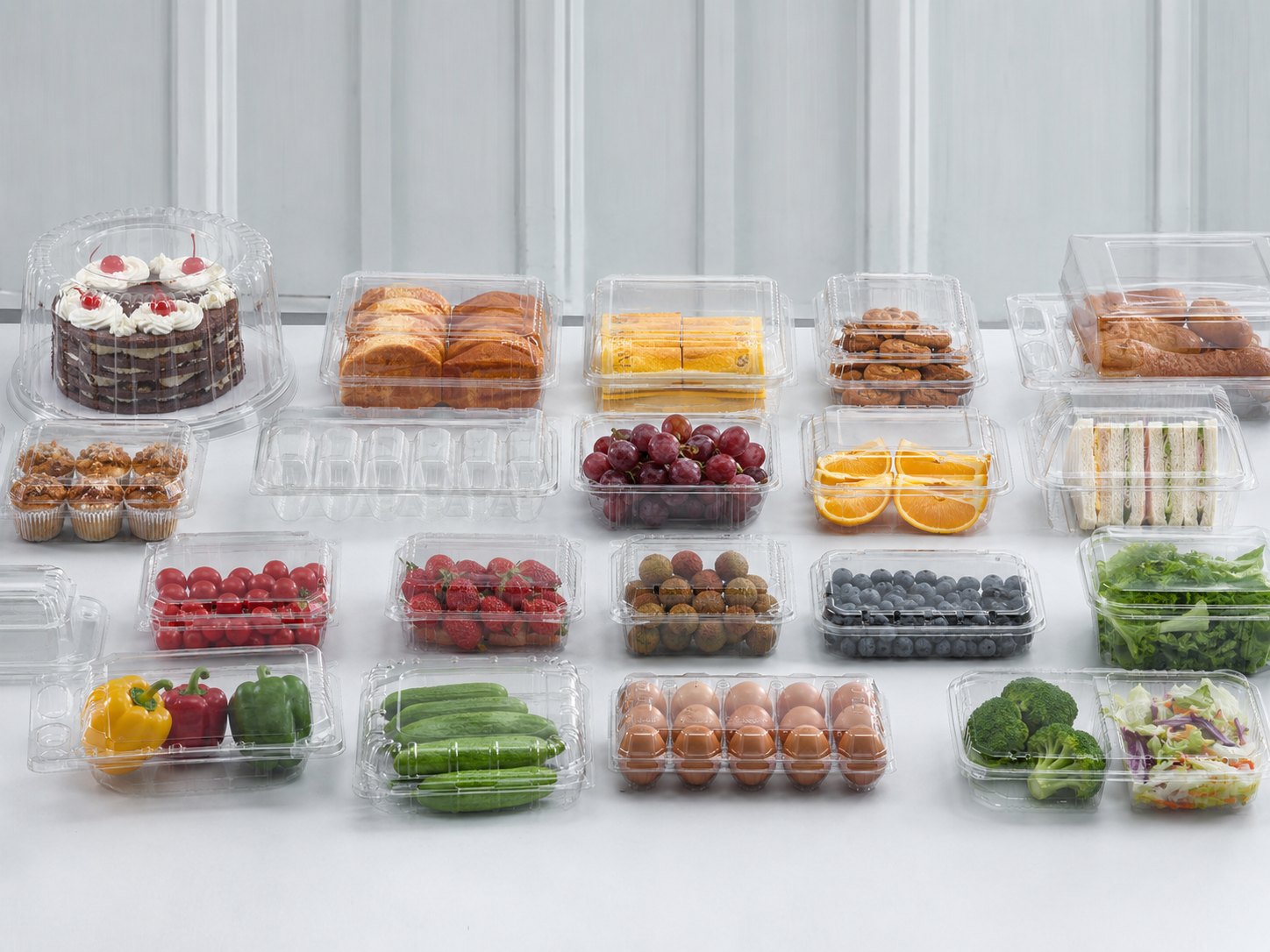
Clear PET containers are commonly used where shoppers need to see chilled salads, desserts, fruit or prepared food. Check the sample’s appearance, usable space, lid clearance and closure with the actual food. Do not assume a clear PET model is microwaveable or ovenable. CPET is a different material route; its heat-use properties cannot be applied to the clear PET containers shown here.

03

PP: confirm the exact heating and handling conditions

If hot filling or microwave reheating is part of the project, ask whether the selected PP container is approved for that use and request its specific instructions. PP can also be used for cold food. Material name, colour and appearance alone do not confirm microwave, freezer, oven or repeat-use suitability. Review the complete pack, including the lid, for the intended food, temperature and time.

04

Compare two recorded product examples

PET-FL12A and 224-PP illustrate two available material and structure options. Their dimensions come directly from the product catalogue and retain the recorded units. They are different packs, not interchangeable versions of one size or a controlled material test. Open the relevant series to compare its full specifications, or request a quote for the exact model.

05

Match the lid, closure and transport route

Confirm whether the pack is hinged or uses a separate lid, and identify the matching lid by model. A similar rim size does not establish compatibility. Test closing, opening, filled stacking and carton fit with the actual food. If leakage, condensation or delivery handling is important, state the requirement and check the agreed sample under those conditions; do not extend one model’s result to the whole category.

06

Keep material identity separate from documentation

Specify the destination market, food type, contact time and temperature before requesting product-specific material information and supporting documents. A resin code or generic certificate does not qualify every finished container. Recycled content is a separate specification: rPET is PET with recycled content, not PP. Confirm the exact quoted composition and documentation if it matters to your project.

07

Request a sample or a material-selection quote

Your email and a short requirement are enough to start. Include the model if known, food, filling and storage conditions, any reheating requirement, expected quantity and destination. You can email a pack photo, lid reference or drawing afterwards. Existing-mould samples are free; confirm availability and courier arrangements before dispatch. Our team will confirm the model, material and packing details for the quotation.

Next Step

Send the product or project details.

Open RFQ